

Live betting transforms how we engage with football, offering dynamic opportunities that respond to every pass, tackle, and tactical shift.
This comprehensive guide explores five essential live betting markets, detailing precisely when to strike, how odds fluctuate, and what separates profitable bets from costly mistakes.
1. Next Team to Score
Understanding the Market
This straightforward market asks one simple question: which team will score the next goal? It remains active regardless of the current score, resetting after each goal. A match at 2-1 still offers next goal betting—will it be 3-1 or 2-2?
Prime Betting Moments
Minutes 60-75: The Decisive Period Fatigue sets in, spaces open up, and managers make attacking substitutions. Teams losing or drawing often become desperate, pushing more players forward. If you’ve identified which team is genuinely more dangerous, this is your window.
The Desperate Final 10 Minutes A team trailing by one goal in the final 10 minutes often commits everyone forward, including center-backs pushing up for set pieces. Two outcomes become likely:
- They equalize (their odds are decent)
- They concede a counter-attack goal (opponent’s odds are excellent value)
Immediately After a Goal Two scenarios emerge:
- The scoring team rides momentum: Fresh confidence, opponents rattled, another goal comes quickly (happens roughly 25-30% of the time within 10 minutes)
- The conceding team responds urgently: Especially at home or when favored, wounded pride drives immediate attacking intent

2. Both Teams to Score (BTTS)
Understanding the Market Dynamics
BTTS betting in-play is about probability assessment based on unfolding events. Pre-match odds are based on statistics and historical data. Live odds respond to actual performance, tactical setups, and momentum.
When to Back Both Teams to Score: Yes
After First Goal This is BTTS betting’s most critical moment. When it’s 1-0, odds for “Yes” often improve significantly because bookmakers factor in the possibility the leader defends.
Open, End-to-End Match at 0-0 If both teams are creating chances and the defense looks shaky at 0-0 after 20-30 minutes, BTTS “Yes” often offers value before the first goal drops the odds. You’re betting the pattern continues once someone breaks through.
Home Team Trailing Home teams trailing 1-0, especially those with quality and attacking identity. almost always create chances. If you believe the away team might score again on the break, BTTS becomes extremely valuable.
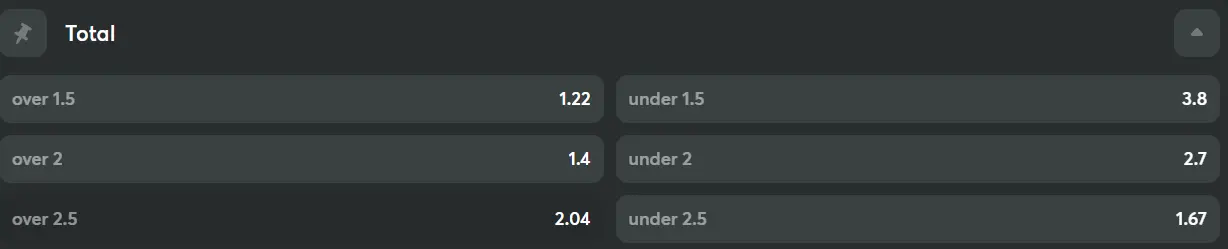
3. Over/Under Goals
Understanding Line Movement
Live O/U betting is dynamic because every minute without a goal increases “Under” probability while simultaneously creating pressure that might produce goals. This paradox is where value hides.
When to Back Over/Under Goals
After First Goal (1-0 Between Minutes 10-35) Early goals open up matches. The scoring team often continues attacking (confidence), while the trailing team must respond (necessity). If the goal arrived from open play in an entertaining match, Over 2.5 becomes more likely. Odds might be 1.60-1.80—decent value if the pattern continues.
1-1 Scoreline (Any Time Before 60 Minutes) When it’s 1-1, only one more goal is needed for Over 2.5, and the match is clearly open. If both teams are attacking and defenses look vulnerable, odds of 1.40-1.60 might still offer value because three goals in a match isn’t unusual in open games.
Late Equalizer If a team equalizes at 1-1 in the 75th minute or later, both teams often push for a winner rather than settling for a draw. The final 15 minutes can become frantic, increasing goal likelihood. Over 2.5 odds might be 2.00-2.50—potentially excellent value for 15 minutes of chaos.
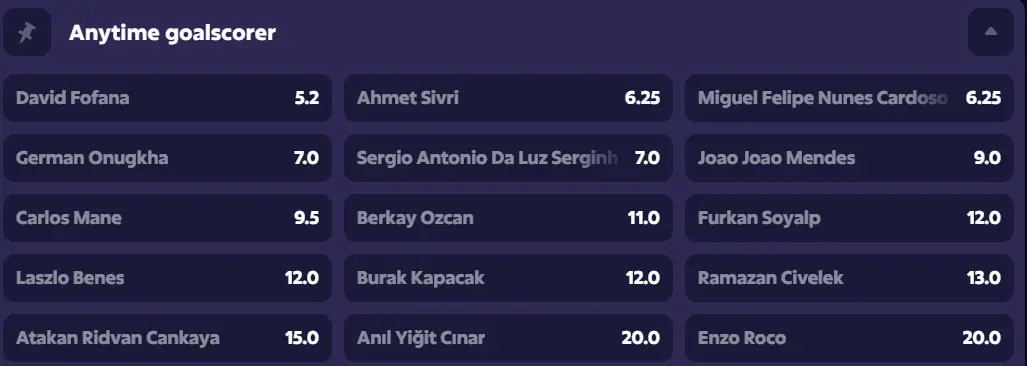
4. Anytime Goalscorer
Understanding the Market
Anytime goalscorer bets remain active until the final whistle or until your selected player scores. Unlike next goalscorer (which ends after any goal), anytime scorer accumulates value throughout the match.
Prime Betting Windows
Pre-Match vs. Early In-Play (0-15 Minutes) Compare pre-match odds to early in-play odds. If a striker looked dangerous in warm-ups or starts aggressively, but hasn’t yet scored, their odds might be similar to pre-match.
20-30 Minutes: Pattern Assessment By 25 minutes, you can identify who’s getting chances, whose team is dominating, and which defenders look vulnerable. If a striker has already had two chances but odds haven’t shortened much, bet now before the goal arrives.
Halftime: Tactical Knowledge If you know a team makes attacking changes at halftime, or certain players improve dramatically in second halves, bet at halftime before the pattern emerges.
5. Corners
Understanding Corner Markets
Corner betting in-play responds to territorial dominance and tactical approaches. Unlike goals, corners accumulate throughout the match, making the market active for all 90 minutes.
Prime Betting Windows
Minutes 15-30: Pattern Recognition By 20 minutes, you can see which team is dominating territorially. If the corner count is 4-1 or 5-2, and possession is 65%-35%, the pattern is clear. Bet the Over or the dominant team’s Over before odds tighten.
After Goals Goals change corner dynamics. A team that scores might sit deeper (fewer corners). A team that concedes must attack (more corners). Reassess corner bets immediately after goals before the market fully adjusts.
Final 15 Minutes This period often sees corner counts spike. Tired defenders, desperate attacks, set-piece gambling—all produce corners. If the total is close to the line with 15 minutes left, Over often offers value.
Conclusion
Live betting in football transforms passive spectating into active engagement, but success requires discipline, knowledge, and strategic thinking.
The five markets covered in this guide—next team to score, both teams to score, over/under goals, corners, and anytime goalscorer—offer the most consistent opportunities for value-driven betting.
Key Takeaways to Remember
Timing is everything. The value window in live betting opens and closes rapidly. Understanding when odds diverge from actual probability—after substitutions, following missed chances, during momentum shifts.
Watch the match, not just the scoreline. A 0-0 match might be a defensive stalemate or a goal-fest waiting to happen. A team leading 1-0 might be dominating comfortably or hanging on desperately. Your edge comes from reading the game’s underlying dynamics that aren’t captured in simple match statistics.
Specialize before you diversify. Master one or two markets deeply before attempting to beat them all. If you can read corner patterns brilliantly, focus there until you’re consistently profitable. Then expand. Scattered knowledge across all markets produces scattered results.
